

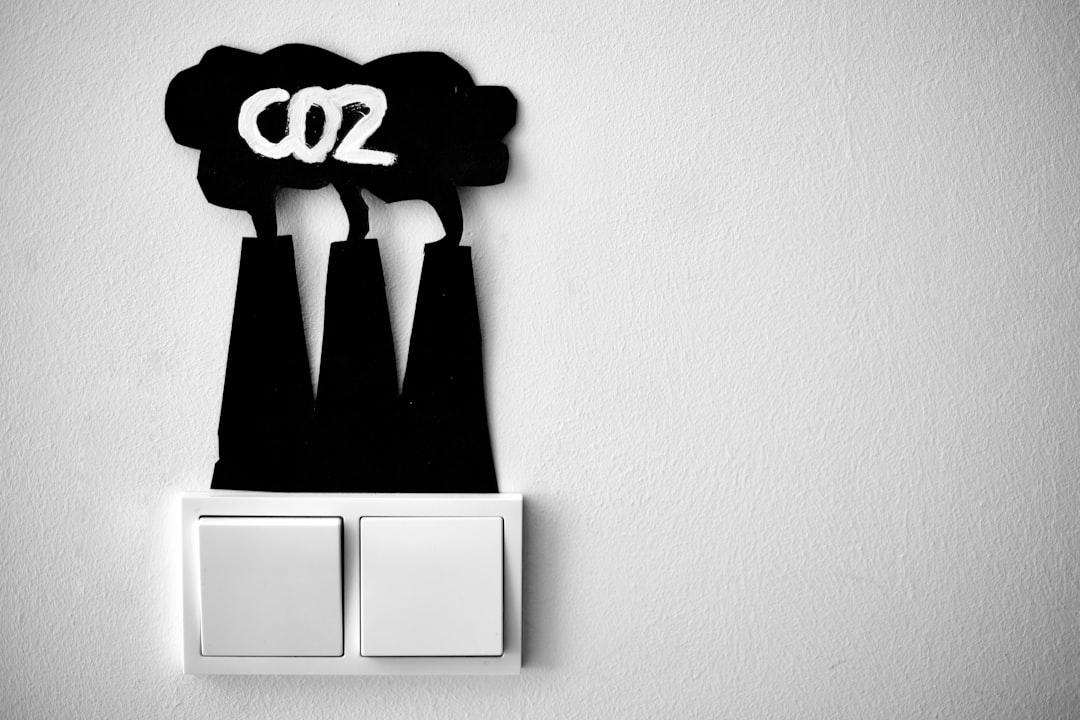
Achieving net-zero in manufacturing means more than reducing energy use. This requires a holistic strategy that integrates direct (Scope 1), energy-related (Scope 2), and value-chain (Scope 3) emissions with circular supply chain principles. By embedding circularity into operations and engaging supplier networks, organisations can lower carbon footprints, optimise resource use, and strengthen resilience, turning net-zero targets into actionable outcomes.

Why Net-Zero Manufacturing Needs a Whole-Chain Strategy
Manufacturers face pressure to meet net-zero targets while maintaining operational efficiency and competitiveness. Traditional decarbonisation focused on direct energy and fuel (Scope 1 and 2), but Scope 3 emissions often comprise the largest portion of a manufacturer’s footprint and cannot be ignored. Scope 3 includes emissions from suppliers, logistics, product use, and end-of-life processes, reflecting indirect impacts outside immediate operations but within the value chain. (Source: Nature)
Circular supply chains help address this on two fronts: they reduce resource use, and they keep materials in productive cycles longer, cutting embodied emissions across the lifecycle. Instead of the linear “take-make-dispose” model, a circular approach emphasises reuse, remanufacture, and recycling. (source: WJARR)
Practical Strategies for Integrated Emissions Reduction
1. Map and Measure All Emission Scopes
Begin with detailed accounting of emissions across Scopes 1–3 using supplier data, logistics records, and production energy use. Sharing primary data with upstream partners creates better accuracy in Scope 3 reporting and enables clearer decisions on reduction opportunities. (Source: Nature)
2. Prioritise Circular Supply Chain Design
Implement circularity by re-engineering product lifecycles to maximise reuse. This includes:
- Procuring recycled or renewable materials
- Designing for disassembly and remanufacture
- Creating reverse logistics for end-of-life product recovery
Circular fluidity helps reduce resource extraction impacts and lowers emissions embedded in new inputs, a key lever in bringing down Scope 3 intensity.
3. Engage Suppliers in Decarbonisation
Collaborative decarbonisation models with suppliers can unlock systemic reductions. Tools like joint emissions inventories, shared reduction targets, and coordinated process optimisation help embed emissions management throughout the value chain. (source: MDPI)
4. Adopt Technology and Digital Tracking
Digital platforms that integrate emissions data with operational KPIs, life-cycle analysis, and sustainability dashboards foster transparency and traceability. These tools empower data-driven decisions that align operational targets with climate goals.
The Business Case for Circular Net-Zero Manufacturing
Beyond compliance, integrated decarbonisation and circular supply chains reduce costs through energy efficiency, material reuse, and waste avoidance. They also support ESG reporting, attract climate-focused investment, and future-proof operations against tightening regulations and supply-chain disruptions.
FAQs
Q1: What are Scope 1–3 emissions in manufacturing?
Scope 1 covers direct fuel and process emissions; Scope 2 includes purchased energy emissions; Scope 3 encompasses indirect emissions from suppliers, logistics, product use, and end-of-life. Nature
Q2: Why integrate circular supply chains for net-zero goals?
Circular supply chains reduce dependency on virgin materials, minimise waste, and lower indirect emissions by keeping products and materials in use longer. WJARR
Q3: How can manufacturers engage suppliers on emissions?
Manufacturers can share emissions data, set joint targets, standardise reporting, and co-develop low-carbon solutions for energy, materials, and logistics.